AI Data-Driven Decisions in Facilities

Co-Authors: Aaron Shuma, Manager, Regional Facilities; and Calyb Stebbins, Manager, Regional Facilities
At Cardinal Group Companies, we use every opportunity available to streamline operations and drive down costs, and as a result, provide better housing experiences for our residents across the country.
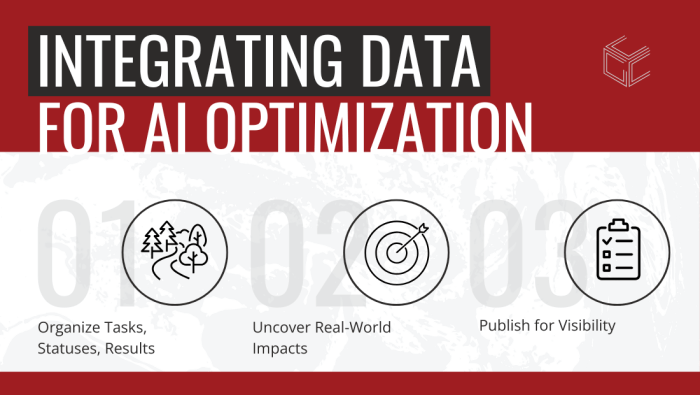
For years, we have focused on organizing facilities data and standardizing Preventative Maintenance in our Facilities Compliance Platform, Leonardo 24/7; aligning operational and resident-facing data in our Property Management Software; and building portfolio visibility in our Business Intelligence tool, Keystone. That work has paid off. We can now clearly show task completion, spot overdue life-safety items, compare communities, and identify and justify CapEx opportunities using real history instead of hunches.
The next phase isn’t to abandon that, it’s to add a “smart” layer. The future of facilities is data-powered and AI-assisted. The systems we already use will stay at the center as the foundation, but we’ll start using the data inside them to predict, prioritize, and even use it to shift from reactive to predictive maintenance. That’s what turns our current program from “good reporting” into “smart operations.”
Our Current Position
Right now, our program does three things well, but it is hindered by human (or less intuitive) error because it lacks an efficient way to review all data at a high level.
- Capture structured work in Leonardo 24/7.
Every community is using tailored PMs (Preventive Maintenance tasks), inspections, and recurring tasks, so we have consistent, comparable data.
- Tie it to real operations through Entrata.
We can see how missed PMs or seasonal load shows up as more work orders, more resident impact, or slower unit turns.
- Make it visible in Keystone.
Leaders and clients can easily see what’s working and where help is needed through clear dashboards, exception views, and scorecards.
What’s Next
Going forward, we need to use this data to ask smarter, more meaningful questions. Instead of just “Was the task completed?”, we should be asking “What does this pattern tell us, and what should we do next?” This change in approach is where AI begins to play a key role.
Here’s what that looks like:
- Predictive > Preventive
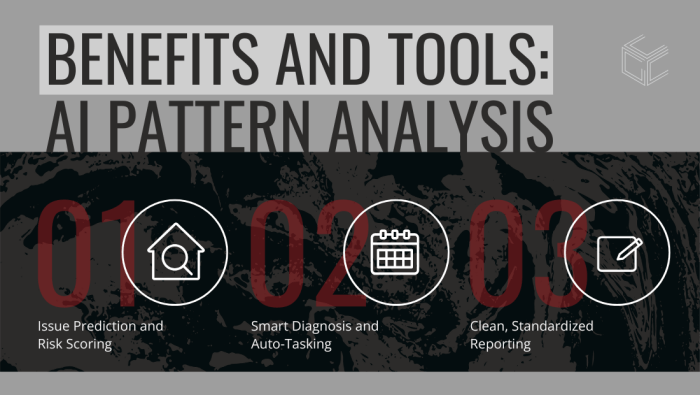
Today, we run time-based PMs. AI models can look at past Leonardo 24/7 tasks plus Entrata work-order volume and say, “This community’s HVAC systems are likely to need attention earlier than anticipated.” That means the system can recommend moving a PM up, not just flagging it as overdue after the fact. - Risk scoring at portfolio scale (we piloted this during the 2025 turn season)
How did we do this? We reviewed several key data points, such as Open roles, Work order counts, Work order turnaround time, Leo compliance in PMs, quarterly inspection completion, task ray rating for all turn tasks, maintenance survey ratings, and meeting with all student community Team leads to go over turn prep. Each team was assigned a rating based on the input data and could be overridden by the Regional Facilities Manager after the meeting if deemed necessary. Over time, as this dataset grows, real-time AI integration will enable faster insights and proactive decision-making. Keystone already tracks completion data, but with an added AI layer, it could spot early warning signs like repeat equipment failures, delayed task closures, seasonal spikes, or missed safety checks, turning dashboards from simple summaries into powerful predictive tools. - Smart follow-up and auto-tasking:
Instead of sitting in a report until someone has time to chase them, AI can analyze patterns, determine appropriate responses, and outline next steps for the community. For example, rather than merely flagging “high HVAC volume,” the system can generate a diagnostic workflow, assign it to maintenance, attach the last three related work orders, and set a due date based on risk. This approach leads to faster, more appropriately-sized follow-up. Additionally, AI can scan the entire portfolio’s history to identify assets that behave like “end-of-life’ units, even if they aren’t technically at the end of their lifespan. This provides owners with a more defensible capital plan—understanding not just that assets are old, but also their usage, failure rate, and cost trends in comparison to other assets we’ve had to replace. - Cleaner data without extra site work
Teams don’t always enter perfect notes. An AI layer can read work order entry/completion inputs to normalize the language (boiler room, mech room, boiler inspection), and map it back to standard categories. This newly well-organized data improves reporting quality, enabling high-level review for effective, data-driven decision-making.
Why does this matter?
This evolution makes facilities easier to trust. Instead of just saying, “We completed 94% of tasks,” we can say:
- “We know which sites are most likely to generate resident-impacting work orders/ capital expenses in the coming months.”
- “We can pinpoint the assets with excessive costs and take corrective action.”
- “We can catch compliance issues before they become risk issues.”